

Last Updated: October 25, 2026
Quick Summary
Rideshare insurance premium increases happen because rideshare driving is classified as higher-risk commercial use, and claims filed during rideshare activity can trigger rate increases lasting three to five years. Accident forgiveness endorsements and rideshare-specific coverage can prevent increases after at-fault accidents and fill coverage gaps that would otherwise raise your personal policy rates.
- Accident forgiveness covers one at-fault accident per three-year period and prevents rate increases at renewal if the endorsement is active
- Claims filed during the waiting period (logged in but no passenger) may go on your personal record and trigger increases; rideshare endorsements eliminate this gap
- Safe driving programs can earn discounts up to 18% and help your rate recover after a claim
- Bundling auto insurance with home or life coverage offsets a portion of accident surcharges
- Rate increases from at-fault accidents typically last three to five years unless you have accident forgiveness protection
Table of Contents
- How Rideshare Insurance Premium Increases Work
- Rideshare Accident Forgiveness: How It Stops Premium Increases
- Understanding Rideshare Insurance Coverage Periods and Rate Protection
- The Rideshare Insurance Claim Process and Rate Review
- How to Lower Car Insurance After a Claim
- Comparing Insurers and Protection Options After a Rideshare Claim
- Getting Your Rideshare Coverage Review Today
- Frequently Asked Questions
How Rideshare Insurance Premium Increases Work
Rideshare insurance premium increases happen because you've entered a higher-risk category the moment you start driving for Uber or Lyft.
When you file a claim, your insurer reassesses your risk profile.
The key insight most drivers miss: rideshare claims hit harder than personal auto claims because you were using your vehicle commercially, which changes how insurers calculate your risk going forward.
Why Claims Trigger Rate Hikes for Rideshare Drivers
Claims don't automatically mean rate increases, but they often do.
A rideshare driver with a recent claim looks riskier than a commuter with the same claim: more hours, passengers, and exposure, all priced into your renewal rate.
The timing matters too. File a claim three months before renewal, and you'll almost certainly see an increase at that renewal. File one two years before renewal, and the impact may be minimal by the time your policy renews.
Fault, Claim Type, and Rate Impact
Not all claims are equal. An at-fault accident typically triggers a larger increase than a not-at-fault claim, and a comprehensive claim (theft, weather, vandalism) usually has less impact than a collision claim.
Liability claims, where you're responsible for injuries or property damage to others, carry the most weight.
The claims process itself matters. If you dispute fault and win, your insurer may not surcharge you at all. If you accept fault immediately, the rate increase is typically locked in faster.
Rideshare Accident Forgiveness: How It Stops Premium Increases
Rideshare accident forgiveness is a policy endorsement that prevents your rate from increasing after an at-fault accident. You file a claim, your insurer covers the damage, and your premium stays the same at renewal.
Accident forgiveness essentially says: "We won't penalize you for your first at-fault accident." It's a one-time protection, use it on a fender-bender and a second at-fault accident within the coverage period will trigger a rate increase.
If you have this endorsement and cause an accident, you won't see a rate increase at your next renewal, even if it's clearly your fault.
What Accident Forgiveness Covers and When It Applies
Accident forgiveness typically covers one at-fault accident per policy period, usually three years, and the accident must occur while the endorsement is active. Adding it after an accident won't cover that claim.
The endorsement applies to collision claims where you're found at fault.
Eligibility varies by insurer and state. Most carriers require a clean driving record for the previous three to five years before you can add accident forgiveness.
Limitations and Eligibility Requirements
Accident forgiveness isn't unlimited: one free pass per three-year period, not one per year. Cause two accidents in that window and the second increases your rate.
Some insurers limit accident forgiveness to drivers over 25 or require minimum policy tenure, and a few states restrict how insurers can use it, so availability and terms depend on where you live and which insurer you choose.
The endorsement also won't protect you from increases triggered by violations, claims frequency, or other underwriting changes, three not-at-fault claims in two years may raise your rate even with accident forgiveness active.
Understanding Rideshare Insurance Coverage Periods and Rate Protection
Coverage periods define when your personal auto policy applies and when your rideshare company's coverage takes over, and claims filed during different periods affect your personal policy rate differently.
App-On, Waiting, and Active Trip Periods
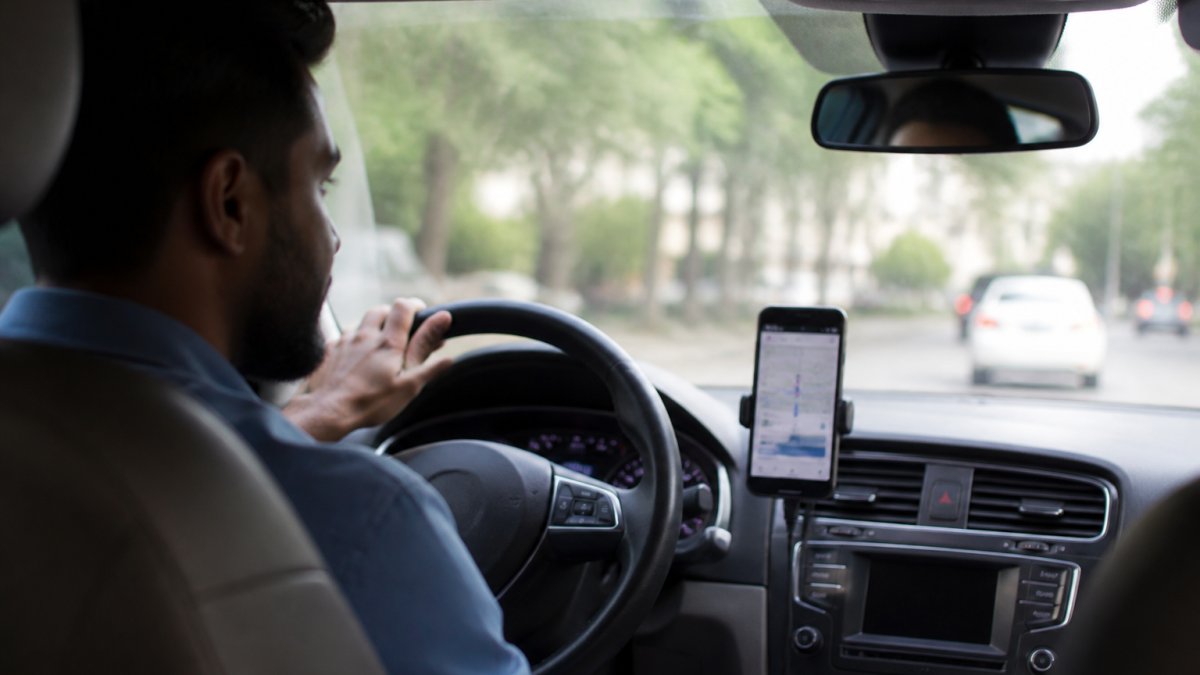
Most rideshare companies divide coverage into three periods: logged out, your personal auto insurance covers you; logged in but waiting, the rideshare company provides limited coverage, usually liability only; actively transporting a passenger, its commercial coverage applies.
The gap happens during that waiting period: your personal insurance doesn't cover rideshare use and the rideshare company's coverage is minimal. That's why rideshare endorsements exist, to fill the gap.
Claims filed during the active trip period are typically handled by the rideshare company's insurance, not your personal policy. Your personal rates shouldn't be affected.
How Coverage Gaps Affect Your Rates
A coverage gap means you're uninsured or underinsured at a critical moment.
That forces a choice: file on your personal policy (creating a gap and possibly a rate increase) or absorb the cost yourself. Rideshare endorsements eliminate the gap and ensure you're covered at every stage.
When you file a claim during a coverage gap, insurers scrutinize whether you were actually covered at the time of loss.
The Rideshare Insurance Claim Process and Rate Review
Filing a claim is straightforward, but what happens after matters more. The claims process determines whether your rate increases, and a post-claim review lets you understand why and what to do about it.
Step-by-Step: Filing a Claim and Documenting Fault
Start by documenting the accident: photos of vehicle damage, the scene, and the other driver's information, plus witness contacts.
Send us a referral for a Home and Auto Quote →
Your insurer will assign a claims adjuster. They'll inspect your vehicle, review police reports if available, and interview you and the other driver.
If you believe the adjuster's fault determination is wrong, request a review. Provide additional evidence: witness statements, photos showing road conditions, traffic camera footage if available.
Post-Claim: Reviewing Your Policy and Rate Adjustment
After your claim is resolved, review your renewal notice carefully, it should list your claim and explain any rate adjustment.
If your rate increases, ask your insurer specifically why, the accident itself, or factors like claims frequency or violations.
your state's insurance commissioner's office can help if you believe your insurer applied an unfair rate increase. Most states allow consumers to file complaints if they think an insurer violated rate guidelines.
How to Lower Car Insurance After a Claim
After a claim, your rate will likely increase unless you have accident forgiveness. But there are concrete ways to reduce that increase or offset it with savings.
Bundling, Discounts, and Safe Driving Programs
The fastest way to lower your rate is to bundle policies. Combine your auto insurance with home, life, or other coverage, and most insurers offer a bundling discount.
Safe driving programs like Drivewise monitor your driving habits through a mobile app. Safe drivers can earn discounts up to 18%.
Ask your insurer about all available discounts. Good student discounts, defensive driving course discounts, and low-mileage discounts can add up. After a claim, every discount matters.
When to Switch Insurers vs. Negotiate with Your Current Provider
Switching insurers after a claim is tempting, but it's not always the best move. Your new insurer will see the claim in your history and may charge you more than your current insurer.
Get quotes from at least three insurers before deciding to switch. Compare the total cost including any discounts you'd lose by leaving your current insurer. If a new insurer offers a significantly lower rate despite the claim, switching makes sense.
If your current insurer's rate increase seems excessive, call and negotiate. Ask if they'll reduce the surcharge or if there are additional discounts you haven't explored.
Comparing Insurers and Protection Options After a Rideshare Claim
After a claim, you're reassessing your coverage and your insurer. It's the right time to compare options and make sure you're protected.
What to Look for in Rideshare Coverage and Rate Guarantees
When comparing insurers, prioritize accident forgiveness. If you don't have it, add it immediately, especially if you drive for rideshare.
Look for insurers that offer rideshare endorsements specifically. Not all carriers do.
Ask each insurer about their rate review process. How long does a surcharge last? Can you dispute the fault determination?
Check whether the insurer offers claim-related discounts or programs. Some carriers reward claims-free years with additional discounts.
Getting Your Rideshare Coverage Review Today
A claim changes your insurance picture.
Send us a referral for a Home and Auto Quote.
The goal isn't just to lower your current rate. It's to structure your coverage so the next accident doesn't trigger another increase.
| Protection Strategy | How It Works | Best For |
|---|---|---|
| Accident Forgiveness | Prevents rate increase after one at-fault accident per 3-year period | Rideshare drivers who want one free pass |
| Rideshare Endorsement | Fills coverage gap during waiting period and app-on time | Any driver logged into a rideshare app |
| Safe Driving Program | Monitors habits; discounts for safe driving (up to 18%) | Drivers rebuilding their record after a claim |
| Policy Bundling | Combines auto, home, life coverage for multi-policy discount | Anyone with multiple insurance needs |
| Claims RateGuard | Premium won't increase just because you filed a claim | Homeowners and auto policyholders seeking stability |
Your rideshare insurance protects more than your vehicle. It protects your income. A claim that grounds your vehicle for weeks means lost earnings.
Frequently Asked Questions
Can accident forgiveness prevent my rideshare insurance premium from increasing?
Accident forgiveness can prevent a rate increase after an at-fault accident, but only if your policy includes this endorsement and you meet eligibility requirements (typically a clean driving history before the incident). Not all claims qualify, comprehensive or collision claims may be treated differently. Check your specific policy terms, as accident forgiveness varies by insurer. Many rideshare drivers pair this with other endorsements to maximize protection.
Does a rideshare accident affect my personal auto insurance rates?
Yes, a rideshare accident can affect both your personal auto insurance and your rideshare coverage rates. When you file a claim, insurers review claim history and may increase premiums at renewal. The impact depends on fault determination, claim type, and your driving history. Platform insurance from Uber or Lyft may cover the accident, but your personal policy is still on file. This is why rideshare insurance coverage periods matter, knowing when you're covered helps you file claims through the right insurer and minimize personal policy impact.
How long can an accident affect my insurance premium?
An accident typically affects your insurance premium for 3-5 years, depending on state regulations and your insurer's underwriting rules. At-fault accidents have a longer impact than not-at-fault claims. Some states limit how long insurers can use accident history in rate calculations. After the accident ages off your record, your premium should decrease. Accident forgiveness eliminates the immediate rate increase, but the claim may still appear on your driving history for underwriting purposes until it ages out.
What should I tell my insurer after an accident while driving for Uber or Lyft?
Report the accident promptly to your insurer and clearly state whether you were logged into the rideshare app and carrying passengers. Provide accurate details about fault, injuries, and damage. Disclose your rideshare activity honestly, misrepresenting your use voids coverage. Contact the rideshare platform immediately as well; their insurance may provide primary coverage depending on the trip stage. Document everything: photos, witness info, police report, and app data. Notify your insurer before accepting any settlement offer from the platform.
Can I switch insurance companies after filing a rideshare claim?
Yes, you can switch insurers after filing a claim, but be aware that your claim history transfers to your driving record and will be visible to new insurers. Some carriers specialize in rideshare coverage and may offer better rates or claim forgiveness options. Before switching, compare quotes from multiple insurers to ensure the new rate is actually lower after factoring in rideshare endorsements. Timing matters, switching shortly after a claim may limit your options, but waiting until the claim ages can improve your quotes. A local agent can help you find the best coverage for your situation.
How do rideshare insurance coverage periods affect premium increases after a claim?
Rideshare insurance coverage periods determine which insurer pays for an accident and, consequently, whose rates are affected. If you're in the app-on period and carrying passengers, the rideshare platform's insurance typically provides primary coverage, protecting your personal policy from a claim. If you're logged in but waiting for a ride request, coverage gaps may apply, and your personal policy could be triggered. Understanding these periods helps you file claims correctly, minimizing impact to your personal rates. Proper coverage during all periods prevents gaps that could lead to denied claims and higher premiums.
What steps can I take immediately after a rideshare claim to control future premium increases?
First, document the claim details and request a copy of the claim report. Review your policy for accident forgiveness eligibility and confirm the insurer applied it. Request a rate review meeting before your renewal to discuss your claim history and available discounts. Ask about bundling discounts, safe driving programs like Drivewise, or policy adjustments. If your rate increase is steep, get quotes from other insurers, some specialize in rideshare and may offer better terms. Finally, focus on clean driving: each accident-free year improves your rate and strengthens your position for future renewals.
